
TMJ Massage Therapy in Collingwood & Blue Mountain: What You Need to Know
By Blue Mountain Wellness | Registered Massage Therapy | Collingwood, Ontario
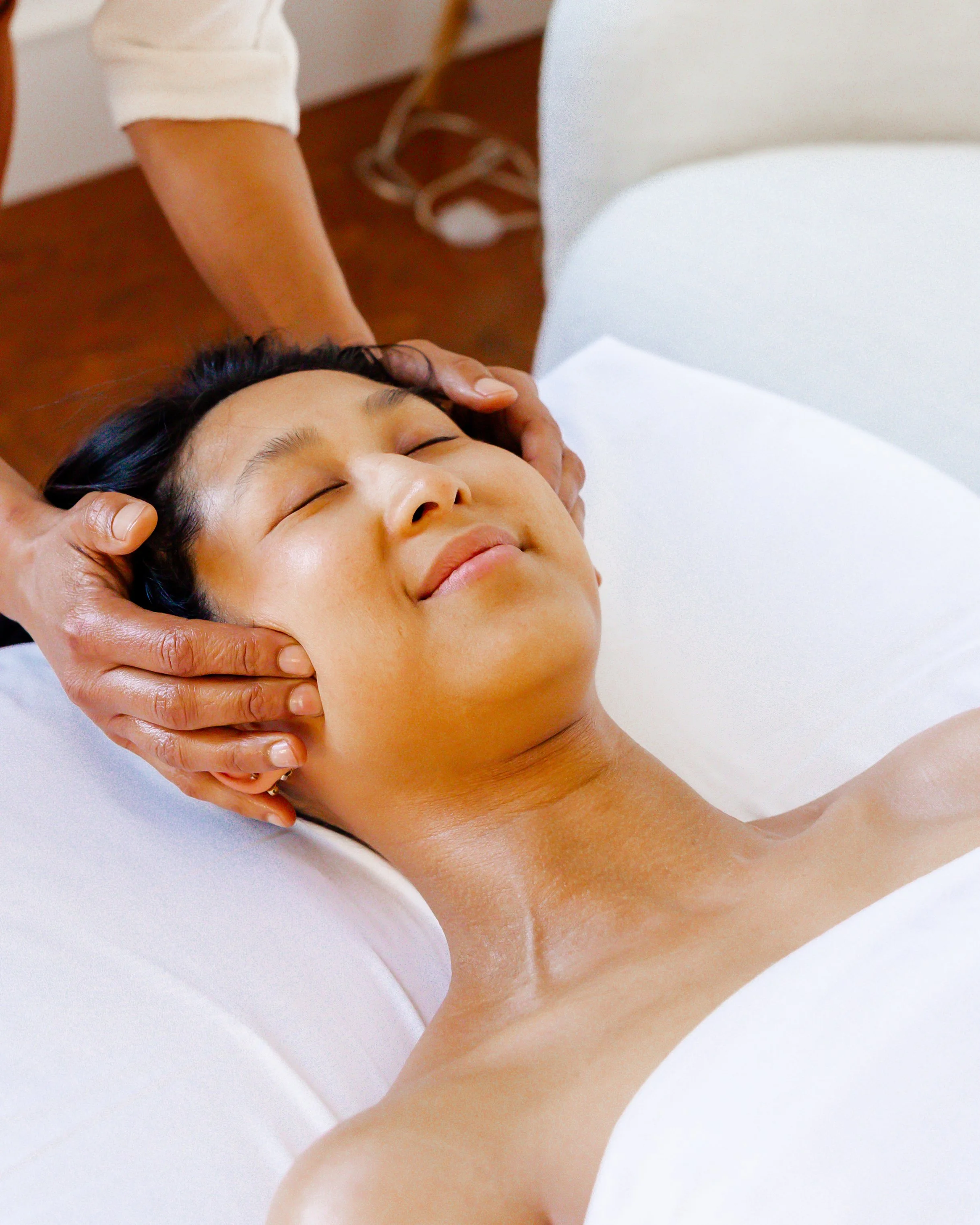
If you've ever woken up with a tight jaw, noticed a clicking sound when you chew, or found yourself dealing with headaches that seem to start right at your temples, your TMJ may be trying to tell you something.
The temporomandibular joint is one of the most frequently used joints in your entire body, and one of the least talked about when it comes to recovery and bodywork. At Blue Mountain Wellness, our registered massage therapists work with clients across Collingwood, Thornbury, Blue Mountain, and Meaford who are navigating the muscular patterns associated with jaw tension, and many of them are surprised by how connected it is to the rest of their body.
Here's what you need to know.
What Is the TMJ?
The temporomandibular joint (TMJ) is the hinge that connects your jaw to your skull — one on each side of your face, just in front of your ears. It's involved in virtually every movement your mouth makes: chewing, speaking, yawning, swallowing.
Unlike most joints in the body, the TMJ is rarely at rest. It works continuously throughout the day, and for many people, through the night as well — especially for those who clench or grind their teeth during sleep.
When the muscles surrounding the TMJ become tight, overworked, or chronically guarded, many people begin to notice a range of symptoms that can feel disconnected from the jaw itself.
5 Signs Your Jaw May Need Attention
Jaw-related muscle tension can show up in ways that don't always feel like a "jaw problem." Here are five signs that the muscles around your TMJ may benefit from some focused attention:
1. Waking up with jaw tightness or soreness
If your jaw feels stiff first thing in the morning, nighttime clenching or bruxism (grinding) may be contributing to ongoing muscle fatigue.
2. Headaches that originate at the temples
The temporalis muscle — one of the primary muscles involved in jaw movement — runs along the side of the head. Tension here may contribute to headaches that radiate from the temples toward the forehead or behind the eyes.
3. Clicking, popping, or locking of the jaw
Audible sounds during jaw movement can suggest changes in how the joint and surrounding soft tissue are functioning. While a full assessment with your healthcare provider is always recommended, the muscular component is something a registered massage therapist can address directly.
4. Persistent neck or shoulder tension
The muscles of the jaw don't work in isolation. The SCM (sternocleidomastoid), suboccipitals, and upper trapezius all have functional relationships with jaw mechanics. When the jaw is under chronic tension, the neck and shoulders often follow.
5. Stress that seems to "live" in your face
Many people hold emotional and physical stress in the jaw without realizing it. Anxiety, high-demand work schedules, and sleep disruption can all increase muscle tone in the jaw and surrounding structures.
How Registered Massage Therapy May Help
It's important to note that massage therapy does not treat or cure TMJ disorders. If you are experiencing significant jaw dysfunction, pain, or locking, a referral to your dentist, physician, or specialist is always the appropriate first step.
That said, registered massage therapy may offer meaningful support for the muscular component of TMJ-related tension. Here's what that can look like in practice:
Working with the Muscles of Mastication
The masseter — the thick, powerful muscle you can feel when you clench your back teeth — is one of the most commonly addressed muscles in TMJ-focused massage. Along with the temporalis and the pterygoid muscles (which are deeper and less commonly worked), these are the primary muscles responsible for jaw movement. Targeted soft tissue work to these areas may help reduce muscle tone and support improved comfort with jaw movement.
Addressing the Cervical and Cranial Connection
Because the jaw and neck function as part of the same postural system, a thorough TMJ-focused massage session will typically include work on the suboccipital muscles (the small muscles at the base of the skull), the SCM, and the upper trapezius. Many clients find that releasing tension in the neck and cranial region has a notable effect on how their jaw feels.
Supporting the Nervous System
Chronic jaw tension is often accompanied by a chronically activated stress response. Massage therapy, in general, may support a shift toward parasympathetic nervous system activity — what many describe as the "rest and digest" state. This can be particularly valuable for clients whose jaw tension has a strong stress or anxiety component.
Intraoral Massage
Some registered massage therapists are trained in intraoral techniques — working with gloved hands inside the mouth to access the pterygoid muscles and the internal surface of the masseter. If this is something you're interested in, ask your RMT whether they have specific training in this area. At Blue Mountain Wellness, we'll always discuss your comfort and consent before any specialized techniques are used.
What to Expect at Your Session
Every session at Blue Mountain Wellness begins with a health history intake. For clients coming in with jaw-related concerns, we'll ask about your symptoms, how long they've been present, whether you've had any imaging or specialist assessments, and what your daily routine looks like — including stress levels, sleep quality, and any jaw habits you're aware of.
From there, your RMT will design a treatment that addresses the muscles most relevant to your presentation. You'll never receive a one-size-fits-all approach.
Because we're a mobile service, your session takes place in your own space — your home, your hotel room, your chalet. For many clients managing jaw tension, this has an added benefit: the familiar environment may support a deeper relaxation response, allowing the muscles to release more readily than they might in an unfamiliar clinical setting.
Who This Is For
TMJ-focused massage may be a good fit for you if you:
Experience regular jaw tightness, clicking, or discomfort
Have been told you grind or clench your teeth
Suffer from tension headaches with no clear cause
Hold chronic tension in your neck and upper shoulders
Are managing high stress levels and looking for physical relief
Have been assessed by a dentist or physician and are looking for supportive soft tissue work
This is not a replacement for dental or medical care. If you haven't spoken to a healthcare provider about your jaw symptoms, that's always a worthwhile first step.
Book a Session in Collingwood, Thornbury, Blue Mountain or Meaford
Blue Mountain Wellness is a mobile registered massage therapy practice serving the full Blue Mountain region. Our RMTs come to you — with everything they need to set up a professional treatment in your space.
Whether you're a local resident managing ongoing jaw tension or a visitor looking to add recovery to your time in the region, we'd love to support you.
Booking is available online through JaneApp — link in our bio or visit bluemountainwellness.ca.
Collingwood • Thornbury • Blue Mountain • Meaford
Blue Mountain Wellness provides registered massage therapy services across the Georgian Bay region. All treatment is provided by registered massage therapists (RMTs) in good standing with the College of Massage Therapists of Ontario (CMTO). This blog post is for informational purposes only and does not constitute medical advice.
